
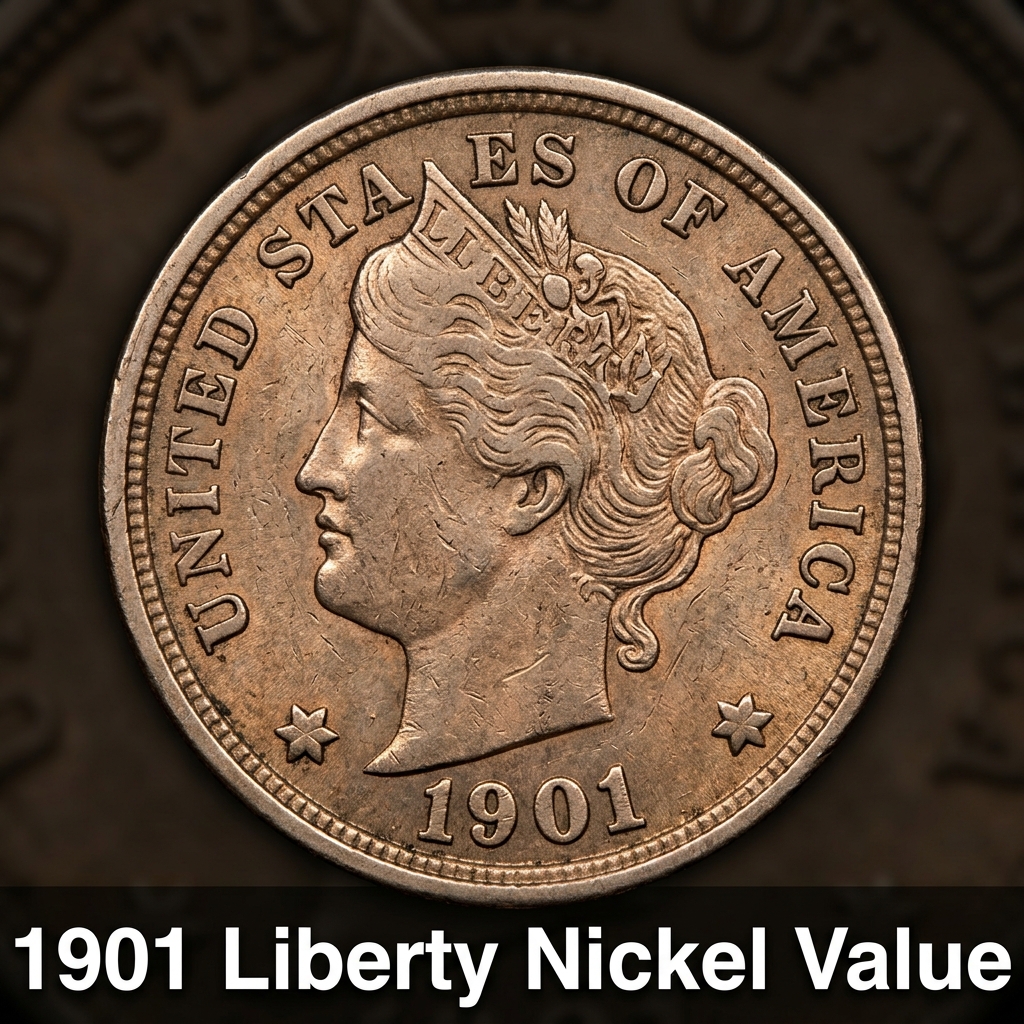
The 1901 Liberty Head Nickel is worth anywhere from $1 in heavily worn condition to over $150 in uncirculated mint state. Whether you found one in a grandparent’s attic or stumbled upon it in a jar of old change, this classic American coin carries historical significance and potential financial value far beyond its five-cent face value.
Why the 1901 Liberty Head Nickel is a Popular Find
The 1901 Liberty Head Nickel, often called the “V Nickel” because of the Roman numeral five on the reverse, is a favorite among casual collectors. By the turn of the century, the United States Mint was producing these coins in massive quantities. In 1901 specifically, the Philadelphia Mint struck over 26 million nickels. This high mintage means that while the coin is over 120 years old, it is still relatively common to find in old collections today.
Many people who discover these coins aren’t sure where to start when it comes to authentication. Using a top coin identifier app can help you quickly confirm that you have a genuine 1901 issue rather than a later reproduction. While it isn’t a “rarity” in the sense of a million-dollar treasure, its age ensures it always has a premium value over modern pocket change.
If you are looking for a fast way to organize your collection and get instant feedback, the CoinHix app is an excellent resource. It allows you to scan your coins and keep a digital log of your discoveries, making it easier to track the fluctuating market prices for early 20th-century American currency.
Determining the Condition and Grade of Your Nickel
Value in the coin world is almost entirely dependent on “grade,” which refers to the amount of wear and tear the coin has suffered. A 1901 nickel that spent years circulating through saloons and grocery stores will be worth significantly less than one that has been tucked away in a velvet-lined box since the day it was minted.
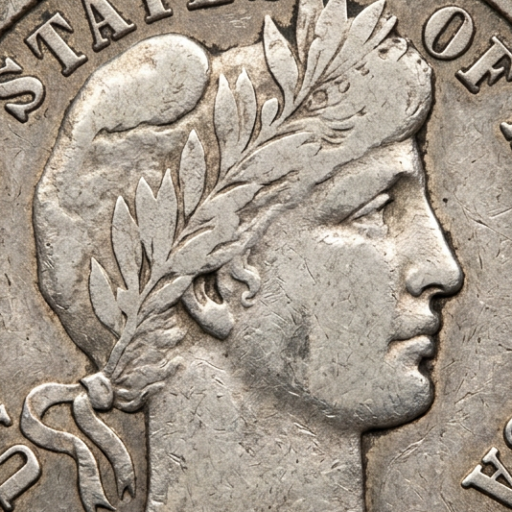
To determine if your coin is “Good,” “Fine,” or “Uncirculated,” look at the details on Lady Liberty’s head. In “Good” condition, the word “LIBERTY” in her crown will be mostly worn away or invisible. In “Fine” condition, you should be able to read most of the letters. If you see the fine lines of her hair and the corn and wheat in the wreath on the back are crisp, you might be looking at a high-value specimen.
For those who believe they have a particularly shiny or sharp specimen, checking the 1901 Liberty Nickel mint state price trends can provide a clearer picture of what professional dealers are currently paying for top-tier coins.
1901 Liberty Head Nickel Value Chart
To help you get a quick estimate of what your coin might be worth, we have compiled a price table based on averaged market data from recent auctions and coin shop sales. Remember that these prices are estimates and can vary based on the specific eye appeal of your coin.
| Condition / Grade | Estimated Value (USD) |
|---|---|
| Good (G-4) | $1.50 – $2.50 |
| Very Good (VG-8) | $3.00 – $5.00 |
| Fine (F-12) | $8.00 – $12.00 |
| Very Fine (VF-20) | $15.00 – $25.00 |
| Extremely Fine (EF-40) | $35.00 – $55.00 |
| Uncirculated (MS-60+) | $100.00 – $350.00+ |
Modern Tools for Valuing Vintage Coins
Technology has made coin collecting much more accessible for everyday Americans. In the past, you had to visit a dusty coin shop and hope the dealer gave you a fair price. Now, tools like CoinHix put a vast database of auction records right in your pocket. You can compare your 1901 nickel to thousands of others to see exactly where your coin fits in the price hierarchy.
It is also helpful to compare the value of different denominations from the same era. For instance, while you are looking up your nickel, you might also find information on the market worth of a 1901 Barber Dime, which shares a similar aesthetic and historical period. Understanding the broader market for 1901 coinage helps you realize that while nickels are common, they are part of a larger, highly collectible historical puzzle.
Don’t forget that “eye appeal” matters. A coin with attractive toning (natural coloring from oxygen exposure) might sell for more than the guide suggests. The CoinHix community is a great place to showcase photos of your localized finds and get feedback from other enthusiasts.
Rare Varieties and Mint Errors to Look For
While most 1901 Liberty Head Nickels were struck perfectly well, hobbyists are always on the hunt for “errors.” These are mistakes made during the minting process that make a coin unique. Common errors for this series include “off-center strikes,” where the image is not perfectly centered on the metal disk, or “die cracks,” which appear as raised lines on the coin’s surface.
Another thing to look for is the “Proof” version of the 1901 nickel. These were specially minted for collectors at the time and have a mirror-like finish. Only about 1,985 proof nickels were made in 1901, making them significantly more valuable than the coins intended for circulation. A high-quality proof specimen can easily sell for over $500.
Always handle your coins with care. Even a 1901 nickel should never be cleaned with chemicals or polished with a cloth. Cleaning a coin actually removes a microscopic layer of metal and destroys its “original luster,” which can slash its value by 50% or more. If you want to keep your coin safe, place it in a PVC-free plastic holder or a simple cardboard “flip.”
Frequently Asked Questions about 1901 Liberty Nickels
Q: Does the 1901 Liberty Nickel have a mint mark?
A: No. In 1901, all Liberty Head Nickels were produced at the Philadelphia Mint. At that time, the Philadelphia Mint did not use a mint mark (like the “D” for Denver or “S” for San Francisco). If you see a 1901 nickel without a letter under the wreath on the back, it is completely normal.
Q: Is it worth getting my 1901 nickel professionally graded?
A: Generally, it is only worth paying for professional grading (from services like PCGS or NGC) if the coin is in “Uncirculated” condition. Because grading costs can range from $20 to $50, it doesn’t make financial sense to grade a coin that is only worth $5 or $10. Use CoinHix to get a preliminary idea of the grade first.
Q: Why is it called a “V Nickel”?
A: It is called a V Nickel because of the large Roman numeral “V” on the reverse side of the coin, which represents the number five. This design was created by Charles E. Barber and was used from 1883 until 1912.
Q: Where can I sell my 1901 Liberty Nickel?
A: You have several options. For a quick sale, local coin shops are best, though they will usually offer a wholesale price so they can make a profit. For the highest price, consider selling on online marketplaces like eBay or specialized numismatic auction sites. Always check recent “sold” listings to see what buyers are actually paying.