
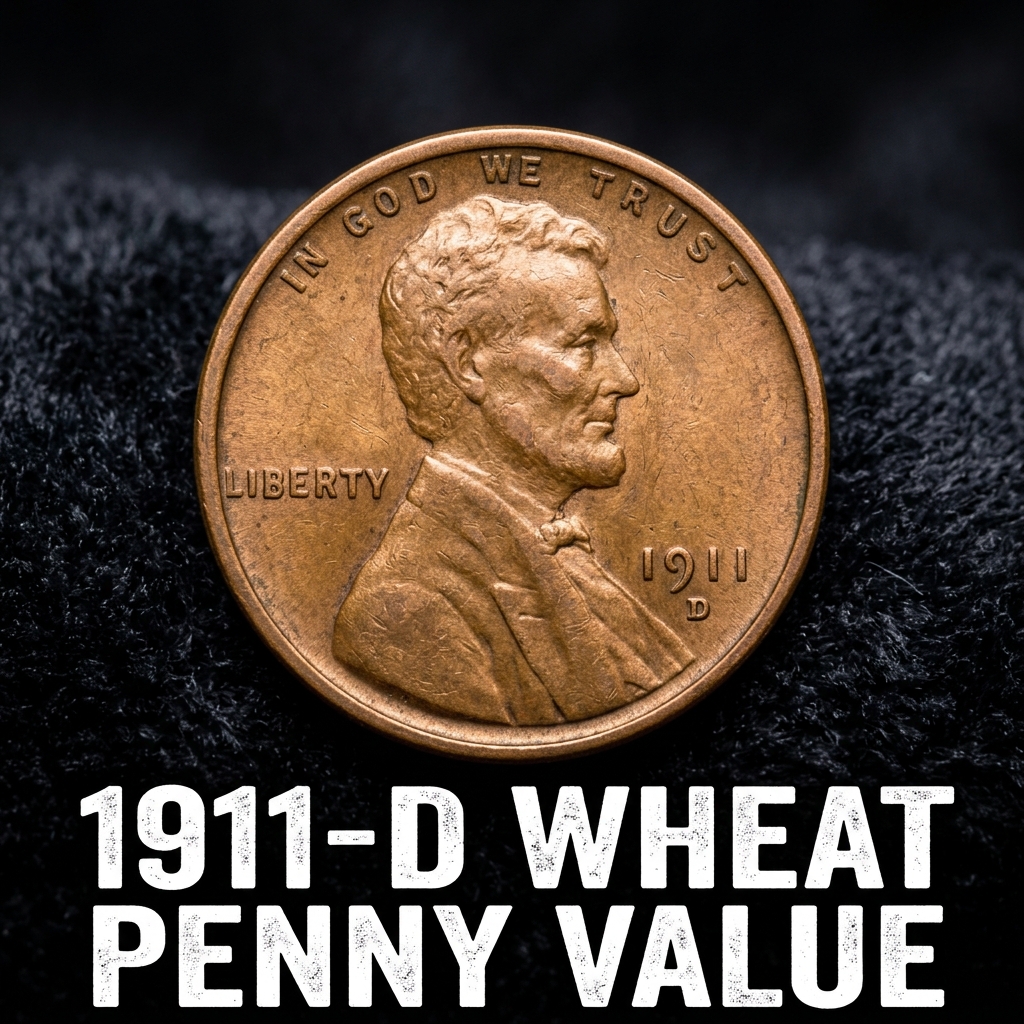
The 1911 D Wheat Penny is worth anywhere from $5 in worn condition to over $5,000 in uncirculated state. If you have stumbled upon one of these vintage Lincoln cents in a jar of change or an old collection, you might be holding a small piece of American history that carries significant financial value today.
Understanding the History of the 1911 D Lincoln Wheat Cent
The year 1911 was a monumental time for the Denver Mint. It marked only the first few years of the Lincoln Wheat Penny production, which originally began in 1909 to commemorate the centennial of Abraham Lincoln’s birth. While the Philadelphia Mint produced nearly 100 million pennies that year, the Denver Mint, signified by the small “D” mint mark under the date, struck a much lower volume of just over 12 million coins. This makes the 1911-D a key date that collectors actively seek out today.
When you find an old coin like this, the first thing you should do is use a top coin identifier app to verify the mint mark and the general condition. Because Denver was relatively new to producing these cents at the time, the quality of the strike can vary, leading to different levels of detail in Lincoln’s hair and the wheat stalks on the reverse.
For those just getting started with coin hunting, the CoinHix app is an excellent resource to help you categorize your finds and learn about the subtle differences that make one penny worth five dollars and another worth five hundred. Understanding the context of the 1911 Denver production helps explain why this specific coin often carries a premium over its Philadelphia counterparts.
Current Market Prices for the 1911 D Wheat Penny
The value of your 1911-D penny depends almost entirely on its “grade,” or the amount of wear and tear it has sustained over the last century. Most coins found in circulation today will fall into the “Good” or “Fine” categories, meaning they show significant smoothing but the date and mint mark are still clearly legible. As the condition improves to “Extremely Fine” or “About Uncirculated,” the price jumps significantly.
The most valuable versions are those that never spent time in a pocket or cash register. These “Mint State” coins are graded on a scale from 60 to 70. A 1911-D in a high-grade red-brown or full red color can be an incredibly lucrative find for a casual collector. You can find more specific breakdowns of the 1911-D Wheat Penny MS RD prices to see how the color ratings impact the final sale price at auction.
| Condition / Grade | Estimated Value Range |
|---|---|
| Good (G-4) | $5.00 – $8.00 |
| Fine (F-12) | $15.00 – $22.00 |
| Extremely Fine (EF-40) | $45.00 – $65.00 |
| About Uncirculated (AU-50) | $110.00 – $140.00 |
| Mint State (MS-63) | $350.00 – $500.00 |
| Mint State (MS-65 Red) | $2,500.00 – $5,000.00+ |
Identifying Rare Varieties and the Importance of Color
When evaluating a 1911-D, professional graders look specifically at the color of the copper. Copper oxidizes over time, turning from a bright orange-red to a dark chocolate brown. Coins classified as “Red” (RD) are the rarest and most expensive, followed by “Red-Brown” (RB) and finally “Brown” (BN). Most 1911-D pennies found in average collections will be Brown, but they still hold a respectable value compared to common-date pennies from the 1940s or 50s.
Before you consider selling your coin, it is helpful to look up the latest 1911 Denver wheat penny worth information to ensure you aren’t underestimating your treasure. Some collectors also look for “re-punched mint marks” (RPMs), where the “D” was struck into the die twice, creating a slight shadow or doubling effect. While not every 1911-D has this, those that do can fetch a significant premium.
Using tools like CoinHix allows you to take high-resolution photos of your coin to zoom in on the mint mark area. If you see doubling on the “D,” you might have a rare variety that is worth much more than the standard market price.
How to Safely Store and Value Your 1911-D Penny
If you discover that your 1911-D Wheat Penny is in high-grade condition, the first rule is: never clean it! Cleaning a vintage coin with chemicals or even a soft cloth can create microscopic scratches that destroy its numismatic value. A coin that would have been worth $100 could drop to $10 simply because it was polished. Instead, handle the coin only by its edges and place it in a PVC-free plastic holder or a cardboard “2×2” flip.
For those who find they have an interest in this hobby, the CoinHix app can help you track your growing collection and provide real-time updates on market trends. As precious metal prices and collector demand shift, the value of your pennies can fluctuate. Keeping a digital inventory is the best way for everyday enthusiasts to stay organized.
Ultimately, the 1911-D Wheat Penny is a fantastic “find” for any casual collector. Whether it is a worn brown coin worth enough to buy a nice lunch, or a pristine red specimen worth as much as a used car, it represents a tangible link to America’s industrial past.
Frequently Asked Questions
Q: Where is the mint mark on a 1911-D Wheat Penny?
A: The mint mark is located on the “heads” side (obverse) of the coin, directly below the date 1911. A small “D” indicates it was minted in Denver. If there is no letter, it was minted in Philadelphia.
Q: Is a 1911-D penny rare?
A: It is considered a semi-key date. While not as rare as the 1909-S VDB, the 12.6 million mintage is relatively low compared to other years, making it much harder to find in circulation.
Q: How can I tell if my 1911-D penny is “Red”?
A: A “Red” designation is usually reserved for coins that have retained at least 95% of their original mint luster. If the coin looks like a shiny new penny from the bank, it might be Red. If it looks dark or oily, it is likely Brown.
Q: Should I get my 1911-D Wheat Penny professionally graded?
A: Professional grading (by services like PCGS or NGC) is usually only worth the cost if the coin is in Mint State (uncirculated) condition. For worn coins worth under $50, the grading fees might exceed the value of the coin itself.