
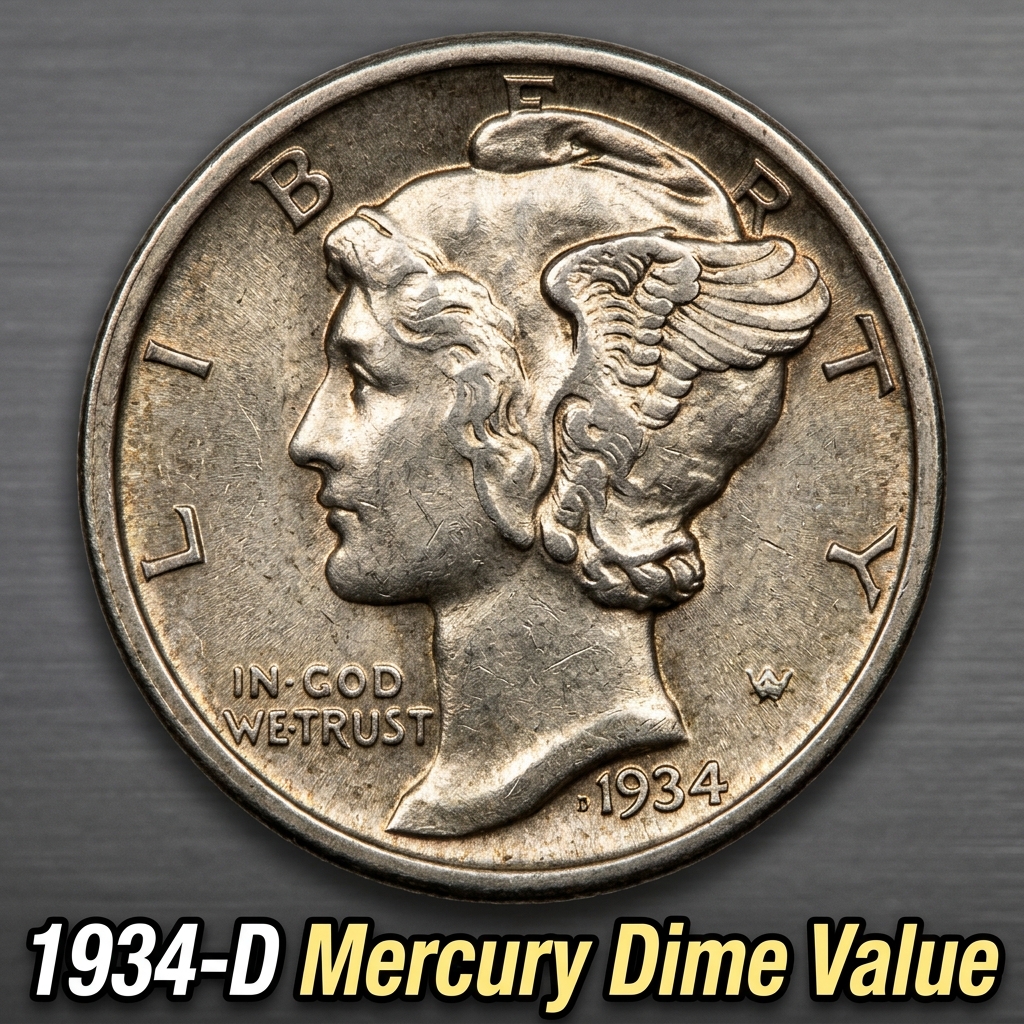
The 1934 D Mercury Dime is worth anywhere from $5 in worn condition to over $1,200 in pristine mint state. If you have stumbled upon this beautiful silver coin in an old jar or inherited a collection, you are holding a fascinating piece of American history from the Great Depression era that carries significant numismatic value.
Why the 1934 D Mercury Dime is a Collector Favorite
The 1934 D Mercury Dime holds a special place in the hearts of coin collectors because it represents a period of regrowth for the United States Mint. After a brief hiatus in production due to the economic downturn, the Denver Mint returned to striking dimes in 1934. Because these coins were used extensively in daily commerce, many experienced heavy wear. Finding one today is exciting, but identifying its true market price requires precision. Using tools like the top coin identifier app can help you quickly distinguish between a common circulated specimen and a high-value rarity.
The “D” mint mark on the reverse of the coin identifies it as a product of the Denver facility. Collectors often search for this specific year because it is considered a semi-key date in the series. While millions were minted, those that survived in high grades are relatively scarce. If you are unsure about the condition of your find, the CoinHix app offers a convenient way to compare your coin against high-resolution images of graded specimens.
How to Identify the Value of a 1934 D Dime
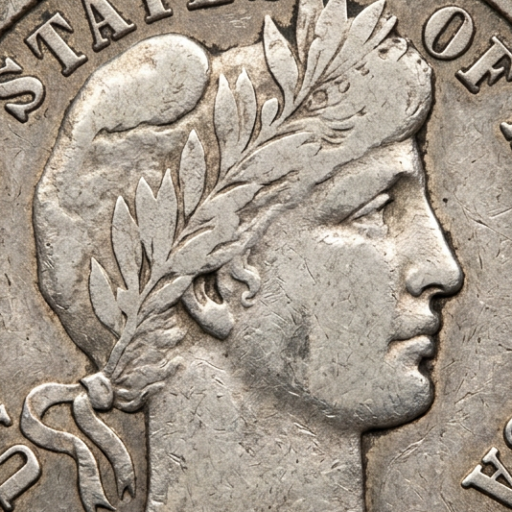
When determining the 1934 dime value, the most critical factor is the coin’s physical condition, also known as its “grade.” High-grade coins will show crisp details on Liberty’s “winged cap” (which is why it’s mistakenly called the Mercury dime; it’s actually a young Liberty). On the reverse, the fasces (the bundle of rods) should ideally show clear, horizontal bands.
The presence of “Full Bands” (FB) is where the real money is. In the world of coin collecting, if the central horizontal bands on the reverse are fully separated and distinct, the value of the 1934 D dime can skyrocket into the thousands of dollars. Even if your coin is worn, the silver content alone provides a “floor” value based on current precious metal prices. For a breakdown of current market trends, checking the latest 1934-D Mercury Dime price guide is the best way to stay updated on what buyers are currently paying at auction.
| Condition / Grade | Estimated Value (USD) |
|---|---|
| Good (G-4) | $5.00 – $7.00 |
| Fine (F-12) | $12.00 – $15.00 |
| Extremely Fine (XF-45) | $25.00 – $35.00 |
| Uncirculated (MS-60) | $55.00 – $80.00 |
| Choice Mint State (MS-65) | $220.00 – $300.00 |
| MS-65 with Full Bands (FB) | $1,200.00+ |
Understanding Mint Marks and Silver Content
The 1934 D Mercury Dime is composed of 90% silver and 10% copper. Because it is a “pre-1965” silver coin, it has “junk silver” value even if it is completely smooth. However, the 1934-D is specifically collectible beyond its metal weight. To find the mint mark, look at the reverse side of the coin, near the bottom left, just to the left of the fasces. A small “D” indicates Denver.
If there is no letter there, the coin was minted in Philadelphia. If there is an “S,” it came from San Francisco. Among the three, the Denver (D) issues from 1934 are often more sought after than the Philadelphia versions in mid-range grades. For beginners, the CoinHix app can be a lifesaver in locating these tiny mint marks that make a world of difference in valuation.
Factors That Can Increase Your Coin’s Worth
Beyond the standard grade, certain anomalies can increase a 1934 D Mercury Dime’s desirability. Luster is the first thing a pro looks for—that original mint frost that makes the coin look like it was struck yesterday. If your coin still shines with its original “cartwheel” effect, you are likely looking at a Mint State specimen.
Toning is another factor. Some silver coins develop a colorful patina over decades, ranging from golden hues to deep “rainbow” colors. Some collectors pay a premium for attractive toning. Conversely, if a coin has been cleaned with chemicals or abrasive cloths, its value drops significantly. Never clean your old coins! If you want to get an expert-level evaluation from your smartphone, the CoinHix platform provides tools to help you determine if your coin is worth professional grading by companies like PCGS or NGC.
FAQ: Common Questions About the 1934 D Mercury Dime
Q: Where is the mint mark on a 1934 D Mercury Dime?
A: The “D” mint mark is located on the reverse (back) of the coin. Look at the bottom edge, specifically to the left of the base of the fasces (the bundle of sticks). If you see a small “D,” it was minted in Denver.
Q: Is the 1934 D Mercury Dime made of real silver?
A: Yes, all Mercury Dimes minted between 1916 and 1945 are made of 90% silver. This makes them valuable for both their historical significance and their precious metal content.
Q: What is the “Full Bands” designation?
A: “Full Bands” (FB) refers to the horizontal lines holding the fasces together on the reverse. If these lines are completely separated with no merging, the coin is considered a “Full Bands” strike, which significantly increases its value to collectors.
Q: How can I tell if my 1934-D dime is rare?
A: While 1934-D dimes aren’t “ultra-rare,” they are valuable in high grades. Any coin that looks like it hasn’t been used in circulation is worth significantly more than a worn one. Look for sharp detail in Liberty’s hair and the feathers on her cap.