
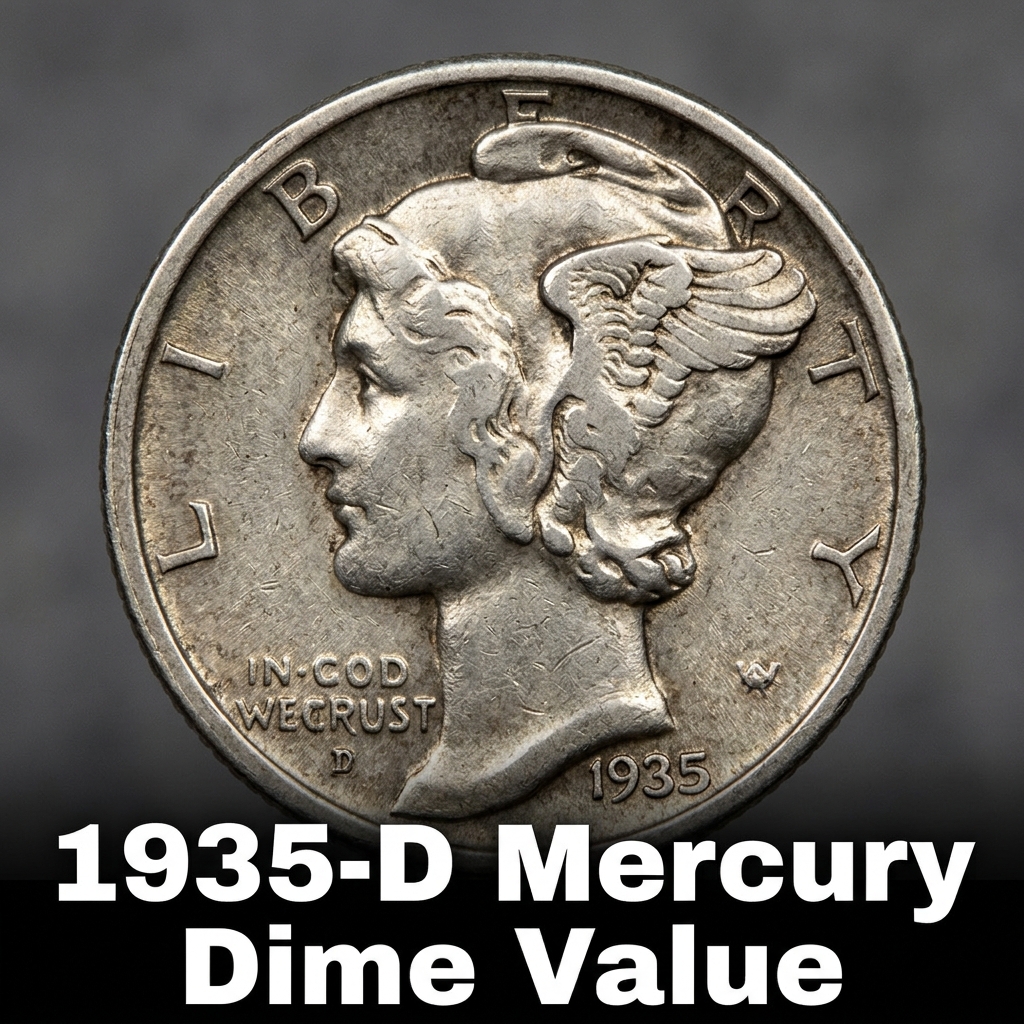
The 1935-D Mercury Dime is worth anywhere from $4 in heavily worn condition to over $650 for high-grade specimens with Full Band details. Whether you found one in a box of old mementos or received it as part of an inheritance, this silver coin remains a favorite among American collectors.
Understanding the History of the 1935-D Mercury Dime
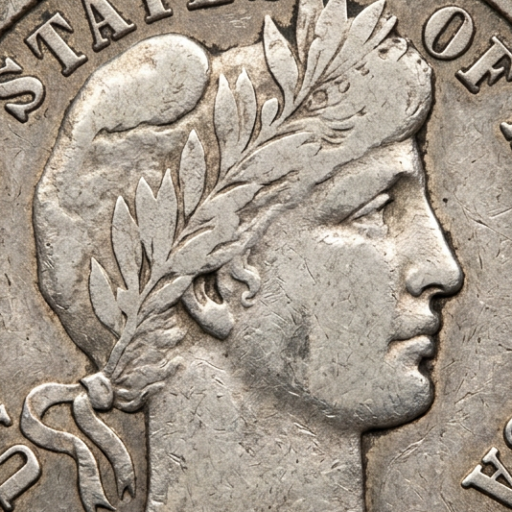
The Mercury Dime, properly known as the Winged Liberty Head dime, is one of the most beautiful coins ever minted by the United States. Designed by Adolph A. Weinman, the obverse features Liberty wearing a winged Phrygian cap, which many people at the time mistook for the Roman god Mercury. By 1935, the United States was slowly climbing out of the Great Depression, and the Denver Mint produced a significant quantity of these dimes to meet the growing demand for small change in commerce.
If you are unsure about the specific variety you have in your hand, using a top coin identifier app can help you distinguish between the different mint marks and date varieties instantly. The 1935-D specifically carries the “D” mint mark on the reverse side. When you look at the back of the coin, near the bottom left of the fasces (the bundle of rods with an axe), you will see a small “D” signifying it was struck in Denver. These coins were minted with a composition of 90% silver and 10% copper, making them valuable for both their numismatic appeal and their precious metal content.
Identifying the quality of your coin is the first step in determining if you have a common pocket piece or a true rarity. Many people use the CoinHix app to get a real-time estimate of their coin’s condition before taking it to a professional dealer. Because these coins circulated heavily during the mid-1930s, finding one tonight in your change that isn’t worn down is quite a thrill for most hobbyists.
How Much is a 1935-D Mercury Dime Worth Today
The value of a 1935-D Mercury Dime is primarily dictated by its physical condition, also known as its “grade.” At a bare minimum, because of the silver content, these coins will always be worth significantly more than their face value of ten cents. However, for collectors, the real value lies in how much detail remains on Liberty’s hair and the feathers of her cap. Even a “Good” condition coin can fetch a premium over the spot price of silver.
For those looking for precise market data, the 1935-D Mercury Dime auction records and price trends show that the value jumps exponentially as you move into Uncirculated (Mint State) territory. While a common circulated version might sell for $5 to $10, a coin that looks like it just came off the press can reach into the hundreds of dollars. Collectors specifically look for “Full Bands” (FB), which refers to the horizontal lines on the fasces on the reverse. If these lines are clearly separated, the coin is considered a premium specimen.
To help you get a better idea of what your coin might be worth, consult the following price chart which outlines the average market values based on various grades.
| Condition / Grade | Estimated Value (USD) |
|---|---|
| Good (G-4) | $3.50 – $4.50 |
| Fine (F-12) | $6.00 – $8.00 |
| Extremely Fine (XF-45) | $15.00 – $22.00 |
| About Uncirculated (AU-50) | $30.00 – $45.00 |
| Mint State (MS-63) | $75.00 – $110.00 |
| Mint State (MS-65 Full Bands) | $450.00 – $700.00+ |
Key Factors That Influence the Value of 1935 Denver Dimes
When evaluating your 1935-D Mercury Dime, you need to look at more than just the date. The “Denver” mint mark is significant because the Denver Mint usually had lower production numbers than the Philadelphia Mint during this era, though 1935 saw a relatively robust mintage of over 15 million coins. Generally, Denver strikes from the 30s are highly sought after because they often feature sharp details that are lost on Philadelphia or San Francisco strikes of the same year.
The presence of “Full Bands” is perhaps the most important factor for high-end collectors. If you look at the reverse of the coin, you will see a bundle of rods. There are pairs of bands holding these rods together at the top, center, and bottom. If the central bands show a distinct split with no merging, the coin’s value can triple or quadruple. You can find more detailed 1935 Mercury Dime value specifications and grading tips online to help you verify these tiny details.
Another factor is eye appeal. Silver coins from this era can sometimes develop a beautiful rainbow-colored patina known as “toning.” If your 1935-D has original luster with attractive blue, gold, or pink hues, it might sell for a premium over a “white” (untouched silver) coin. Investors and casual hobbyists alike often use the CoinHix app to compare their coins to high-resolution images of graded specimens to see where their piece fits in.
Common Errors and Varieties to Watch For
While the 1935-D Mercury Dime is not known for having many “major” errors like the famous 1942/1 overdate, there are still things to look for that can boost the price. Doubled Die Obverses (DDO) or Re-punched Mint Marks (RPM) are the most common things to check. A re-punched mint mark occurs when the “D” was struck into the die twice, often causing a slight shadow or overlapping effect on the letter.
Lamination errors are also occasionally found on coins from the 1930s. This happens when the metal layers of the coin flake or peel due to impurities in the silver alloy. While some collectors find these “damaged,” error specialists will often pay a premium for a clear and dramatic lamination flaw. Using a magnifying glass or a jewelry loupe is essential for spotting these minor details that the naked eye might miss.
If you suspect your coin has a unique error, it is always best to have it looked at by a professional or to use CoinHix to research similar sold listings. Most 1935-D dimes will be standard strikes, but the hunt for the unusual is what makes coin collecting so exciting for the average American family.
How to Store and Protect Your 1935-D Silver Dime
Once you have identified that your 1935-D Mercury Dime has value, protecting it becomes your top priority. Silver is a reactive metal, and exposure to air, moisture, and even the oils on your skin can cause it to tarnish or corrode over time. Never clean your coins; even a light scrubbing with a soft cloth can leave microscopic scratches that drastically reduce the numismatic value.
The best way to store your dime is in a PVC-free “flip” or a hard plastic coin capsule. For high-value coins, many collectors choose to send them to professional grading services like PCGS or NGC. These services will authenticate the coin, assign it a numerical grade, and seal it in a tamper-evident “slab.” This not only protects the coin but also makes it much easier to sell later, as the grade is guaranteed by a third party.
Whether you keep your dime in a simple folder or a high-end slab, the 1935-D Mercury Dime is a piece of American history. It represents a time of resilience and artistry in US coinage, and it remains a solid addition to any collection, whether you are a seasoned numismatist or just someone who found a “cool old coin” in a drawer.
Frequently Asked Questions
Q: Is the 1935-D Mercury Dime made of real silver?
A: Yes, all Mercury Dimes minted from 1916 to 1945 are composed of 90% silver and 10% copper. A 1935-D dime contains approximately 0.07234 troy ounces of pure silver.
Q: Where is the mint mark on a 1935 Mercury Dime?
A: The mint mark is located on the reverse (back) of the coin. Look at the bottom, near the rim, to the left of the base of the fasces. A “D” indicates Denver, an “S” indicates San Francisco, and no mark indicates Philadelphia.
Q: Should I clean my 1935-D dime to make it look newer?
A: Absolutely not. Cleaning a coin is considered damage in the numismatic world. It removes the original “mint luster” and leaves fine scratches. A cleaned coin is usually worth significantly less than an uncleaned coin with natural wear or toning.
Q: How can I tell if my 1935-D dime has “Full Bands”?
A: Look at the center of the fasces on the reverse side. There are two horizontal bands tying the rods together. If there is a clear, uninterrupted line separating the top band from the bottom band across the entire width, it is considered a “Full Band” coin.