
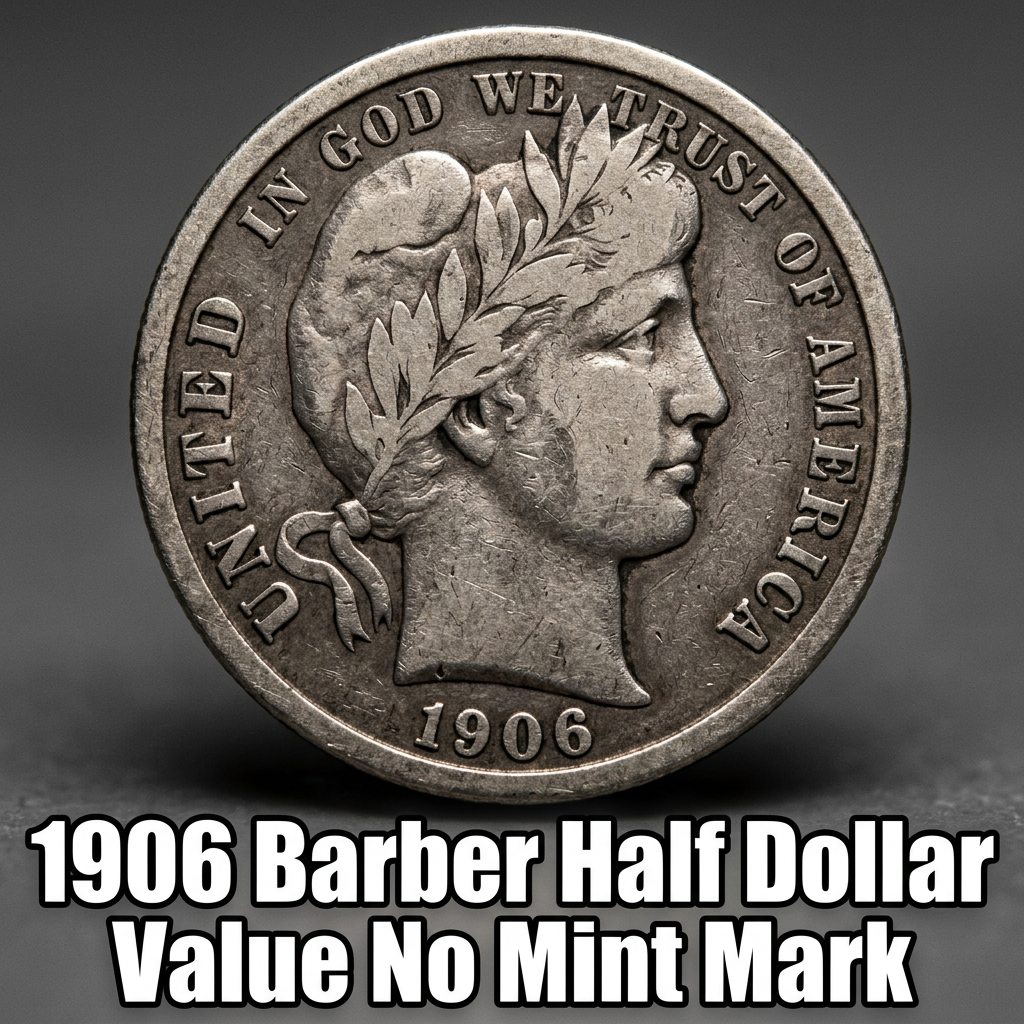
The 1906 Barber Half Dollar is worth anywhere from $15 in heavily worn condition to over $1,200 in pristine uncirculated condition. Finding one of these heavy silver coins in an old jar or a relative’s collection is an exciting discovery because their silver content alone gives them a solid baseline value.
Understanding the Philadelphia 1906 Barber Half Dollar
The 1906 Barber Half Dollar is a classic piece of American history, designed by Chief Engraver Charles E. Barber. If your coin has no mint mark on the reverse side, it means it was struck at the main Philadelphia Mint. During this era, Philadelphia was the primary hub for U.S. coinage, and they produced millions of these coins to help facilitate daily trade in a rapidly growing America.
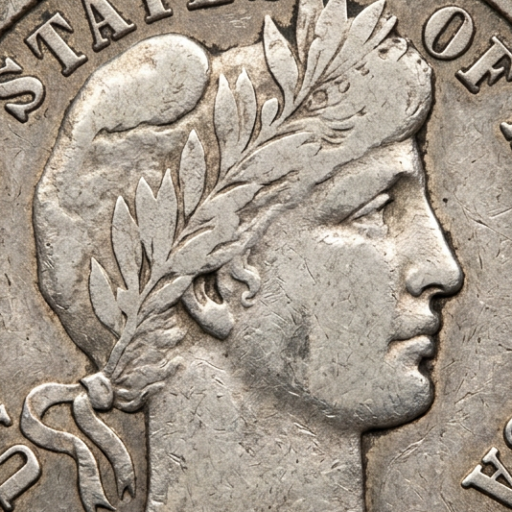
For everyday collectors, identifying this coin is simple: look for the “Lady Liberty” head on the front and the heraldic eagle on the back. If you are unsure about the specific details or want an instant digital appraisal, using a top coin identifier app can provide a quick reference for the variety you hold. The CoinHix app is also a fantastic resource for beginners who want to see side-by-side comparisons of different grades.
These coins were minted in 90% silver, making them “junk silver” at the very minimum. However, because the 1906 no mint mark issue is over a century old, the numismatic (collector) value almost always exceeds the raw silver melt price. Even a coin that is smooth and barely readable carries a premium because of its age and historical significance.
Analyzing the 1906 No Mint Mark Grade and Value
When determining the price of your 1906 Barber Half Dollar, the most important factor is “grade,” or the amount of wear and tear on the surface. Collectors look for specific details, such as the words “LIBERTY” in the headband and the feathers on the eagle’s wings. If those details are sharp, the price jumps significantly.
Most 1906 Philadelphia halves found today are in “Good” or “Very Good” condition. This means they have been circulated heavily throughout the early 20th century. While they may look dark or worn, they are still highly collectible. To get a better sense of how much a silver Barber Half Dollar is worth based on its survival rate, you should look at high-resolution auction photos.
If you happen to find a coin that looks like it just came from the bank—with a bright luster and no scratches—you could be looking at a four-figure payday. High-grade specimens are rare because most people in 1906 used these coins to buy groceries or pay rent rather than saving them in a safe.
| Condition (Grade) | Estimated Value (No Mint Mark) |
|---|---|
| Good (G-4) | $15 – $20 |
| Very Good (VG-8) | $25 – $35 |
| Fine (F-12) | $50 – $75 |
| Very Fine (VF-20) | $110 – $160 |
| Extremely Fine (EF-40) | $250 – $350 |
| Uncirculated (MS-60+) | $650 – $1,250+ |
Where to Find the No Mint Mark Location
A common question for new hobbyists is where exactly to look for the mint mark. On the Barber Half Dollar series, the mint mark is located on the reverse (tails) side of the coin, directly below the eagle’s tail feathers and above the letters “HALF DOLLAR.”
If you look in that area and see a small “S” or “O” or “D,” your coin was made in San Francisco, New Orleans, or Denver, respectively. However, if that space is completely blank, you have a Philadelphia mint coin. The 1906 Philadelphia issue had a healthy mintage of over 2.6 million pieces, making it a “common date” but still very desirable for type set collectors.
It is helpful to use the CoinHix app to zoom in on this area of the coin. Sometimes, dirt or “toning” can hide a mint mark, making a valuable branch mint coin look like a Philadelphia coin or vice versa. Proper identification ensures you don’t undersell your treasure to a dealer.
Silver Content and Intrinsic Value of the 1906 Half Dollar
Even if your 1906 Barber Half Dollar is in terrible condition—perhaps it has been cleaned, bent, or heavily scratched—it will never be worthless. Each coin contains 0.36169 troy ounces of pure silver. This means the “melt value” fluctuates with the daily stock market price of silver.
Historically, when silver prices spike, even the lowest-grade 1906 coins become more expensive. However, you should never clean your coins. Many beginners try to scrub away the “dirt,” but this actually removes the original surface and can slash the collector value by 50% or more. Patina and dark toning are signs of authenticity that buyers look for.
If you are building a collection or just clearing out an attic, keep these silver halves separate from your modern pocket change. Their weight alone (12.5 grams) feels different than modern clad coins, and that heavy silver “clink” is a surefire sign of value.
Final Tips for Selling Your 1906 Barber Half Dollar
When you are ready to sell your 1906 Barber Half Dollar, don’t just walk into the first pawn shop you see. Because these coins have a high collector demand, you should visit a dedicated coin shop or use a reputable online auction house. Identifying the precise grade of your coin is the best way to ensure you get a fair price.
Before meeting a buyer, check the CoinHix app for the most recent realized auction prices. This gives you leverage during an appraisal. Remember that the “retail” price you see in books is what a shop sells it for; you should expect a wholesale offer slightly lower than that to allow the dealer a profit margin.
Whether you keep it as a family heirloom or sell it to fund a new hobby, the 1906 no mint mark half dollar is a beautiful piece of the American story. It represents an era when money was made of precious metals and “In God We Trust” was a standard of the currency.
FAQ
Q: Is the 1906 Half Dollar rare?
A: The 1906 Philadelphia (no mint mark) is considered a common date in the series with over 2.6 million minted, but finding one in “uncirculated” condition is quite rare and valuable.
Q: How much silver is in a 1906 Barber Half Dollar?
A: It is made of 90% silver and 10% copper. It contains approximately 0.3617 ounces of pure silver.
Q: Should I clean my 1906 silver coin to make it look newer?
A: No! Cleaning a coin with chemicals or abrasives permanently damages it and significantly reduces the price collectors are willing to pay.
Q: What does it mean if there is no letter on the back of my coin?
A: It means the coin was minted in Philadelphia. At that time, the Philadelphia mint did not use a mint mark on the Half Dollar.